



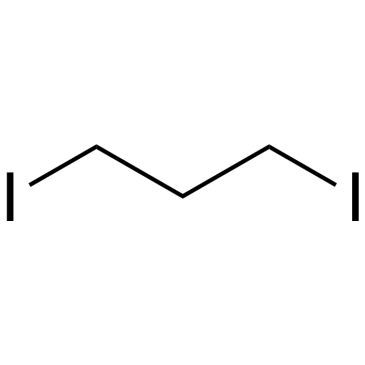
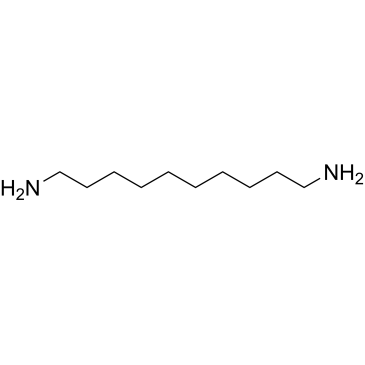
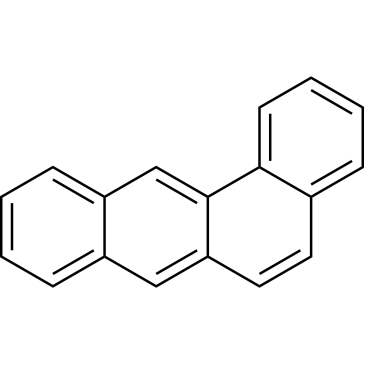
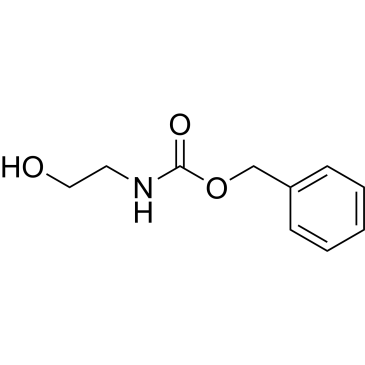
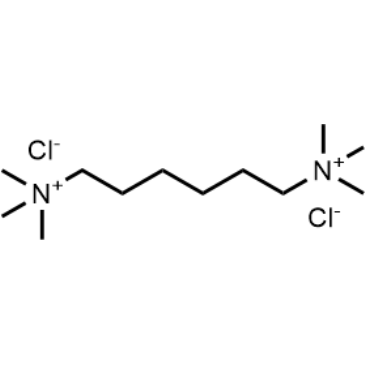
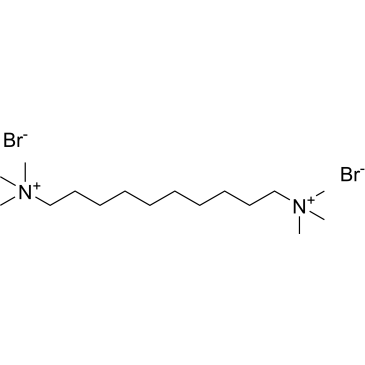
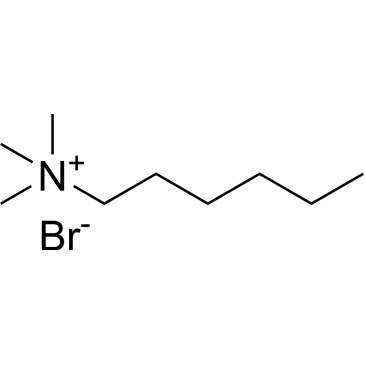
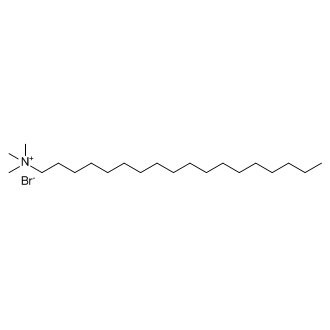
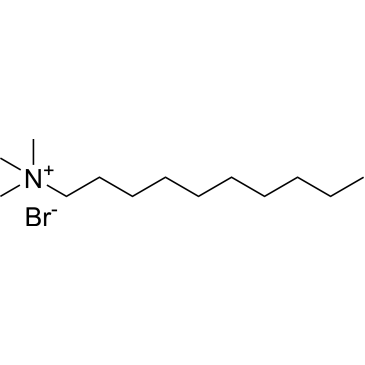
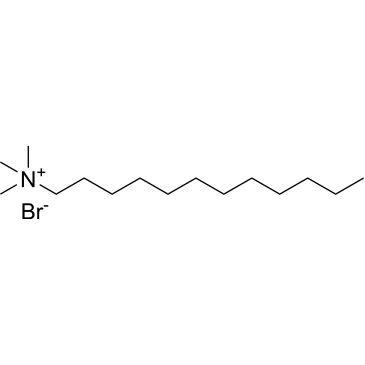
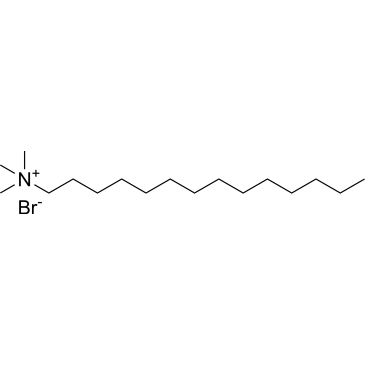
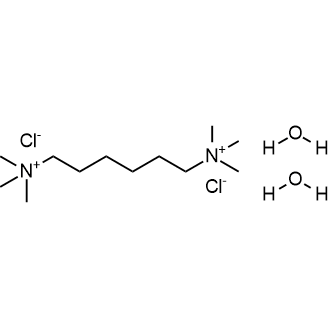
Lot numbers can be found on the outside label of a product:

Please log in for operation!
*For research and further manufacturing use only, not for direct human use.
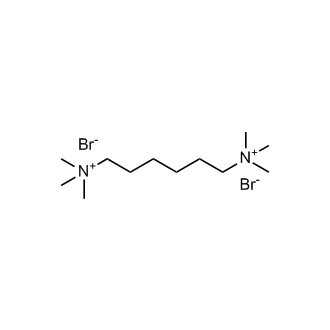
Structure of 55-97-0
| Size |
|
Price | Quantity | |||
|---|---|---|---|---|---|---|
|
* Please select Quantity before adding items. |
||||||
Polyethylene glycol (PEG) is a hydrophilic polymer. It can be easily synthesized by the anionic ring opening polymerization of ethylene oxide, into a range molecular weights and variety of end groups. When crosslinked into networks PEG can have high water content, forming "hydrogels". Hydrogel formation can be initiated by either crosslinking PEG by ionizing radiation or by covalent crosslinking of PEG macromers with reactive chain ends. PEG is a suitable material for biological applications because it does not trigger an immune response.It has been used to modify therapeutic proteins and peptides to increase their solubility. Photopolymerized PEG hydrogels have emerging applications in the fabrication of bioactive and immunoisolating barriers for encapsulation of cells.
|
GHS Pictogram :

|
GHS No : GHS08
|
|
Signal Word : Warning
|
UN#: N/A
|
|
Class : N/A
|
Packing Group : N/A
|
|
Hazard Statements : H302-H315-H319-H335
|
|
|
Precautionary Statements : P261-P264-P270-P271-P280-P302+P352-P304+P340-P305+P351+P338-P330-P362+P364-P403+P233-P405-P501
|
|
|
|
|
|
|
|
|
|
|
|
|
|
|
|
|
|
Upload Pictures
|
|
Lot numbers can be found on the outside label of a product: